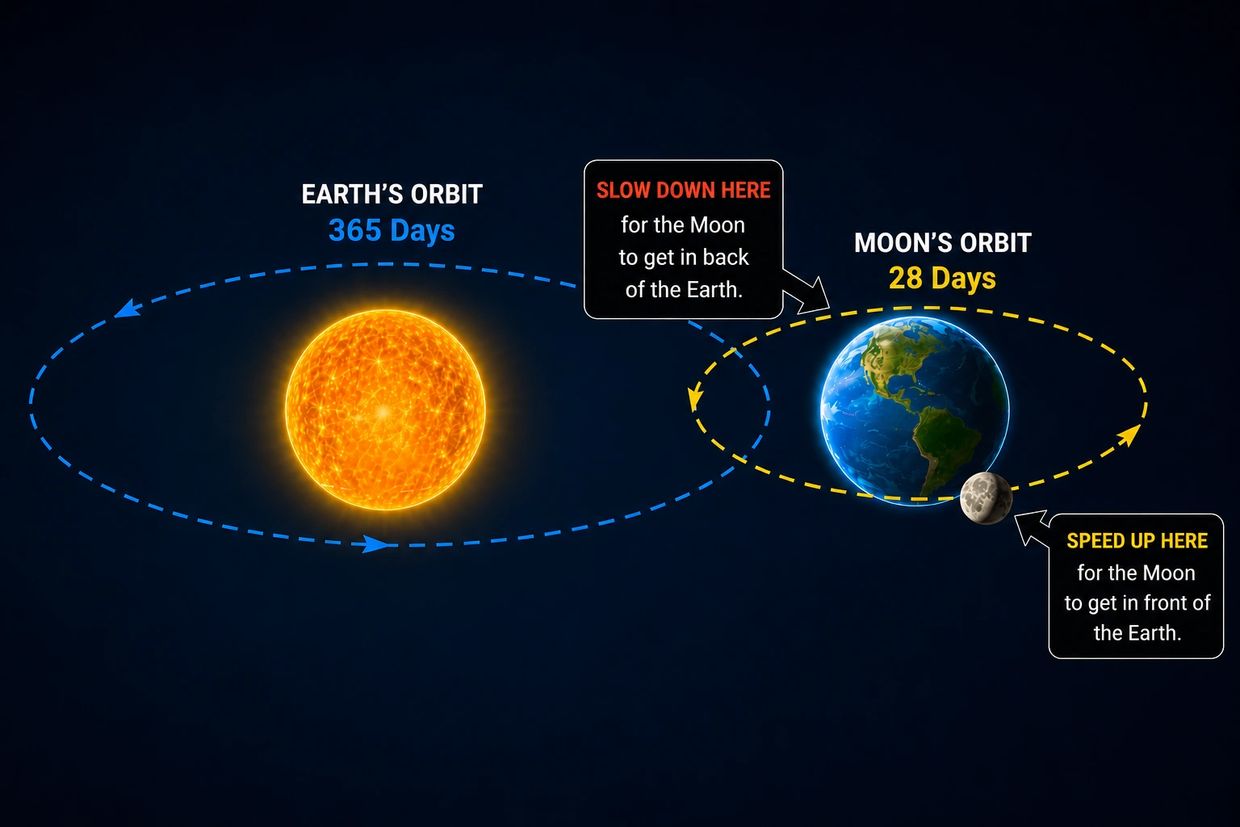
Soul-Lure System - Luring People away from God for 500 Years
Discover the World with The Universe by Design!
In 1543, Copernicus published his theory in his book "On the Revolutions of the Heavenly Spheres" which detailed his heliocentric model (earth revolving around the sun). Copernicus’ ideas were not widely accepted immediately. The Pope was an early adopter during the same time he was persecuting Protestants and scholars for translating the Bible into other languages. The heliocentric theory is nothing more than a false religion around sun worship. It took over a century for his heliocentric model to become the dominant scientific view. This book became a cornerstone of modern astronomy.
Planet means Deception
The Greek words "planeo" and "planao" both relate to the concept of wandering, straying, or being deceived.
"Planao" (πλανάω) is a verb meaning "to wander, to roam, to lead astray". "Plánē" (πλάνη), a noun derived
from "planao," means "wandering, roaming, straying". The Greek word is an enlarged form of planes, planetos, word-forming element meaning "level, flat, plane," from Latin plani-, from planus "flat, level“. The root of these words can be traced back to the Proto-Indo-European root *pleh₂-, meaning "flat, broad". This is also related to the word "planet," which comes from the Greek "planetes,“ meaning "wanderer," because planets were observed to "wander" across the sky compared to fixed stars.
Jesus warns us about Deception
The Greek word "planeo" (meaning "to lead astray, to mislead") is used in Matthew 24:4, 5, 11, and 24. Here's a breakdown of the verses where "planeo" (or its derivatives) appears in Matthew chapter 24.
Matthew 24:4 Jesus answered and said to them, “See to it that no one misleads you.”
Matthew 24:5 "For many will come in My name, saying, 'I am the Christ,’ and will mislead many.”
Matthew 24:11 "And many false prophets will arise and will mislead many.”
Matthew 24:24 "For false Christs and false prophets will arise and show great signs and wonders, so as to mislead, if possible, even the elect.”

Heliocentric Solar System has many Flaws
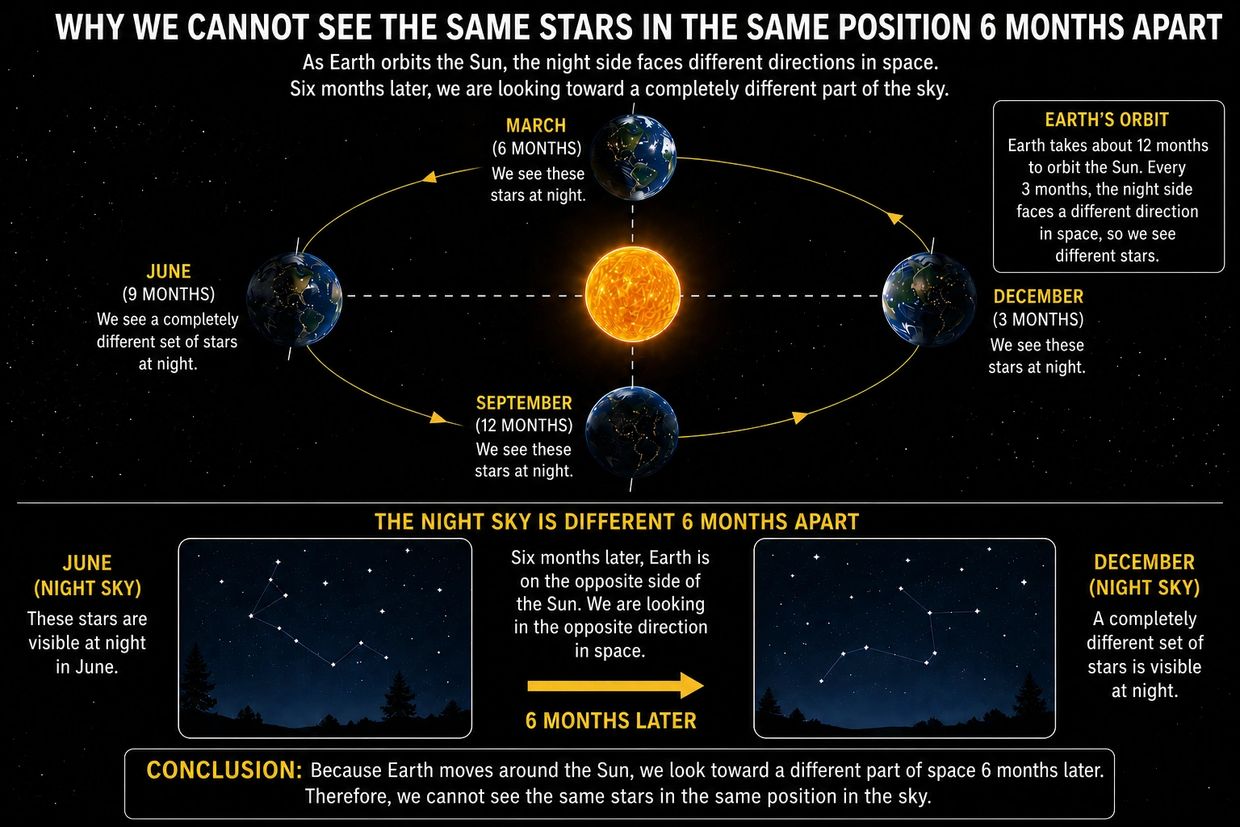
Foundation for evolution, the big bang, atheism & aliens
The Bible is clear, the Earth is Fixed, Immovable, Firm, and it has a Foundation. So, there can't be two ways about it, either God is right, or NASA is right, take a stand today and choose whom you will serve, God or Satan.
There is a man on YouTube, that made a video, showing how a gyroscope spinning at very high speed with the help of an electric motor, for a total of six hours, was placed on a tabletop, and neither did the base of the gyroscope, nor did the gyroscope itself move at all, when if the Earth was actually spinning one full rotation every 24 hours, then at six hours, the base of the gyroscope should have moved nearly if not a full 45 degrees, but instead it did not move, not even a millimeter, proving once and for all, that God and His Holy Word, tells the truth, and that NASA lies. By the way, NASA means to deceive in Hebrew. Keep trusting Satan, or repent and trust God, it is your choice and no one else can make it for you.
Lexicon :: Strong's H5377- nāšā'
The KJV translates Strong's H5377
in the following manner: deceive (12x), greatly (1x), beguiled me (1x), seize (1x), utterly (1x).
Strong's Number H5377 matches the Hebrew נָשָׁא (nāšā'), which occurs 16 times in 15 verses in the WLC Hebrew.
Genesis 3:13
And the LORD God said unto the woman, "What is this that thou hast done?" And the woman said, "The serpent beguiled me, H5377 and I did eat."
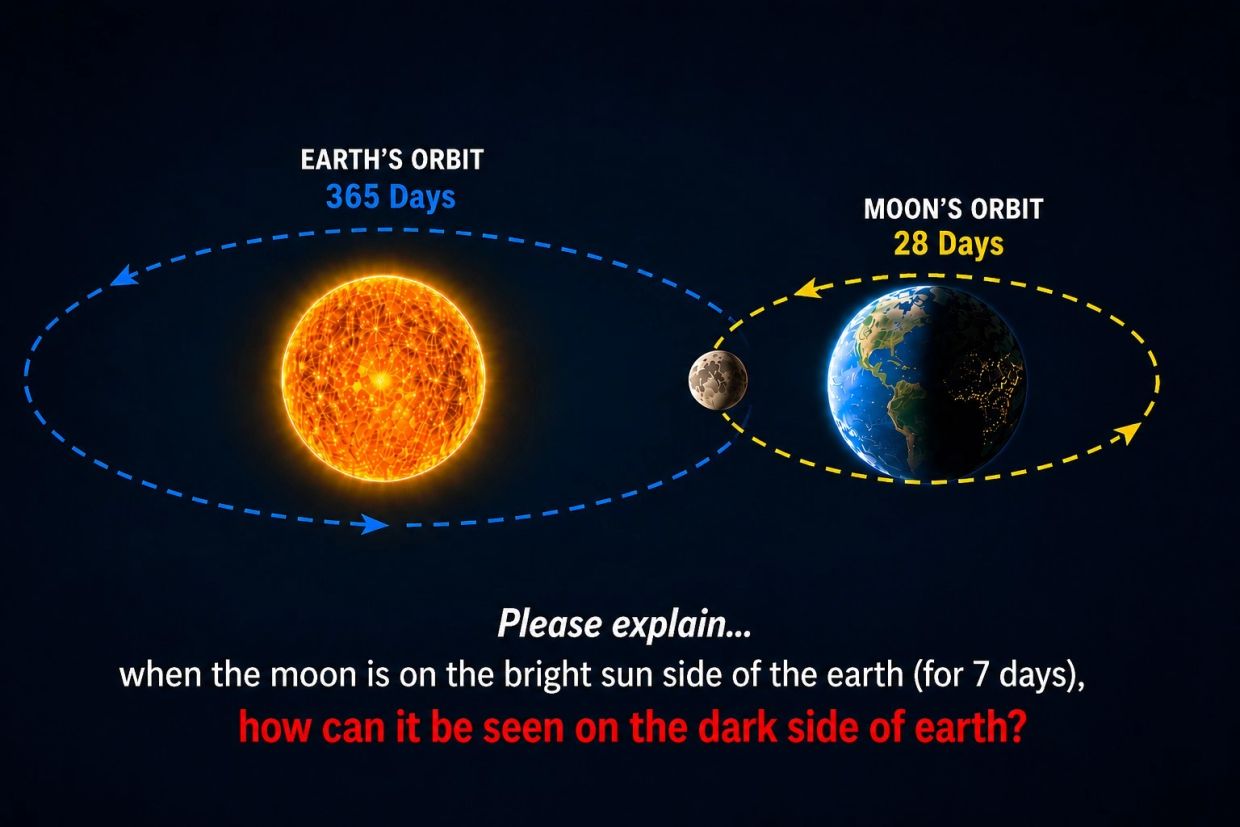
IMPOSSIBLE - The Moon would be hidden for part of the month